Donate
 Contact Us

 Careers
 Pay a Bill
 Schedule
 MyChart
 Donate
 Contact Us
Knee Replacement Surgery 101: What to Expect Before, During, and After
March 05, 2026 By: Orthopedics & Sports Medicine Team
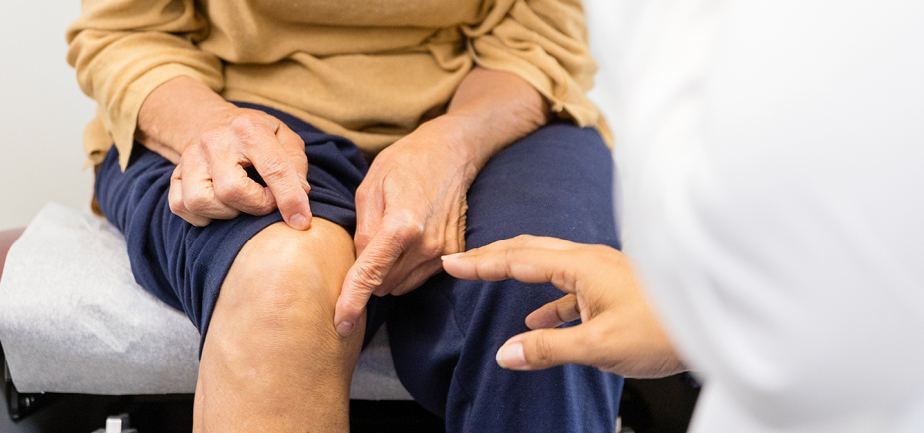
Content medically reviewed by Dr. Amy Lelwica, orthopedic surgeon
You’ve tried seemingly everything to treat your aching, swollen knee but haven’t found lasting relief. Knee replacement surgery could be your next best move.
A surgical procedure—and the recovery that follows—may seem intimidating, but the process can lead to decreased knee pain and improved mobility. If you’ve tried other treatment options, such as oral or injected medications, and you’re still experiencing pain, your provider may recommend a knee replacement.
Knowing what to expect before, during, and after the procedure can help give you peace of mind and help you prepare for what’s ahead.
Who Needs Knee Replacement Surgery?
Knee replacement surgery is a very common procedure. According to the American College of Rheumatology, approximately 790,000 total knee replacements are performed each year in the United States.
“We recommend knee replacement surgery when the knee joint is severely damaged by something like an injury or arthritis,” said Dr. Amy Lelwica, an orthopedic surgeon with Essentia Health. “This type of damage to the cartilage and bone in the knee can lead to many symptoms, including significant swelling and pain even when resting. Eventually, your symptoms will begin to disrupt your daily life, keeping you from participating in some activities and movements.”
A primary care provider will likely first suggest treatment options such as over-the-counter or prescription pain medications, steroid injections, physical therapy, and mobility devices. If these therapies don’t offer relief, knee replacement may be an option.
What to Expect Before Knee Replacement Surgery
If your primary care provider believes you could benefit from knee replacement surgery, you’ll be referred to an orthopedic surgeon.
During your appointment with the surgeon, they’ll evaluate you for a knee replacement by reviewing your medical history and performing a physical examination. Your surgeon will also order imaging scans, such as X-rays, to capture detailed images of the knee and the extent of damage.
The orthopedic surgeon can discuss the pros and cons of knee replacement surgery with you, as well as what to expect after surgery. This will include particulars about the physical therapy you’ll need in the days, weeks, and months following surgery.
Before surgery, you’ll have presurgical testing to ensure you’re healthy enough for surgery. Once you’re cleared for surgery, you’ll receive a set of instructions about how to prepare, including when to begin fasting and whether to discontinue or adjust your medications prior to surgery.
What to Expect During Knee Replacement Surgery
As the name suggests, knee replacement surgery is when your surgeon removes the damaged parts of your knee and replaces them with artificial components made of metal and plastic, which help your knee joint move naturally again.
There are two types of knee replacement –
- Total knee replacement, where the damaged cartilage and bone in all three compartments of the knee are replaced
- Partial knee replacement, where the damaged components are replaced in one or two compartments
Total knee replacements are more common and used to treat extensive damage affecting the entire knee joint. Partial knee replacements may be recommended in cases where damage affects only a portion of the knee joint.
You’ll receive anesthesia during knee replacement surgery so you don’t experience pain. The surgery usually lasts between one and two hours.
What to Expect After Knee Replacement Surgery
Immediately after the procedure, you’ll be moved to a recovery room and carefully monitored. After a short time, you’ll be moved to a regular hospital room where you’ll meet with a physical therapist who will get you up and on your feet. The therapist will work with you on basic movements, including walking and climbing stairs.
If you don’t show any signs of complications and you meet physical therapy criteria, you may be discharged home the same day as your surgical procedure. Your provider may also opt to have you stay in the hospital overnight for additional observation.
Recovery at Home
When you’re sent home from the hospital, you’ll receive a set of guidelines for recovering at home. These guidelines will list –
- Signs of infection and other surgical complications to watch for
- How to take a shower or bath
- Medications you may need to take (such as blood thinners and pain medications)
- Follow-up appointments with your orthopedic surgeon and physical therapist
Physical Therapy
You’ll begin participating in physical therapy within days of your surgery. Structured rehabilitation sessions play an important part in helping you heal and recover. During these sessions, your physical therapist will guide you through exercises to help you regain strength, improve range of motion, and be able to fully bend your knee.
Your Recovery Timeline
Within days of surgery and as you participate in physical therapy, you’ll move from using a walker to using a cane to not requiring any mobility aids to walk. Full recovery after a knee replacement typically takes up to several months, though you can gradually resume many activities during that time as advised by your surgeon.
In Conclusion
Your doctor may recommend knee replacement surgery if you’re experiencing joint pain and you have tried other treatment options without relief. This can include medications, steroid injections, physical therapy, and walkers, canes or other mobility aids.
Knee replacement surgery can be a long-lasting solution for those with significant damage to the knee joint. During surgery, the damaged components of the knee are replaced by artificial parts that can last for up to 20 years.
After surgery, you’ll need to participate in weeks of physical therapy to help you regain abilities and strengthen your knee. Through these sessions, you’ll improve your range of motion and balance, helping relieve pain, and enabling you to resume your daily activities.