Donate
 Contact Us

 Careers
 Pay a Bill
 Schedule
 MyChart
 Donate
 Contact Us
Why Every New Mom Needs a Postpartum Visit
August 04, 2025 By: Women's Health Team
Content medically reviewed by Alena Tofte, MD
Throughout your pregnancy, you probably had regular checkups that helped ensure you and your baby were as healthy as possible. The first few weeks after birth are just as important, as you navigate caring for a new baby (and possibly other little ones), adjusting to unpredictable sleep cycles and managing a host of other changes. Amidst these demands, it can be easy to overlook your own needs. However, prioritizing your health during this time is essential, and a postpartum checkup serves as a crucial milestone in ensuring your well-being as you adjust to life after delivery.
“The postpartum checkup is about more than just recovery—it’s an opportunity to address any physical, emotional or mental health concerns you may have,” said Dr. Alena Tofte, an OB/GYN at Essentia Health. “Taking care of yourself during this time is essential, not only for your own well-being, but also for your ability to care for your growing family.
The postpartum visit is also a time to connect with your provider and ask any questions or concerns you may have.
What to Expect
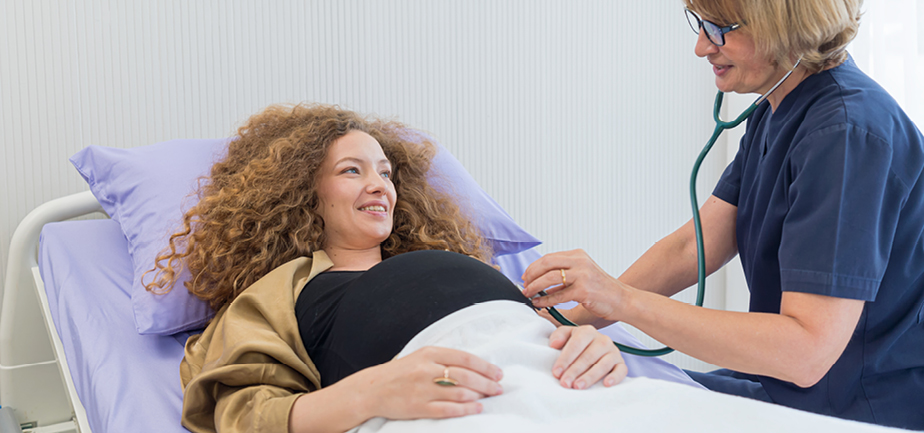
Your checkup is more than just a routine appointment. It’s a comprehensive exam to make sure you're healing and recovering properly from the bodily changes brought on by pregnancy and giving birth.
While each postpartum experience is different, these visits are often scheduled for six-weeks after delivery. However, your provider may schedule an additional appointment to check in with you one to three weeks postpartum. Your pregnancy and current health status will determine what happens at your appointment. For example, if you had pregnancy-related diabetes, your provider may recommend follow-up testing to ensure your blood sugar levels have returned to normal and discuss your risk for developing Type 2 diabetes in the future.
Generally, at your postpartum visit, you can expect –
- a physical and mental health assessment
- an opportunity to discuss your questions and concerns
Physical Assessment
One of the primary focuses of the postpartum checkup is a thorough physical assessment. Your physical checkup will include –
- Blood pressure. Some women who had normal blood pressure during pregnancy can develop high blood pressure after giving birth, and moms who had high blood pressure during pregnancy will need to be checked. You’ll have your blood pressure checked to make sure it’s within a healthy range.
- Pelvic exam. If you had a vaginal delivery, this examination assesses the healing of your perineum–the area between your vagina and anus. Your doctor may also check to see if your uterus has returned to its pre-pregnancy size and ask about signs of infection or abnormal bleeding.
The pelvic exam is different from a Pap test, which checks for cervical cancer. If you’re due for one, you can ask your provider to do the screening. If you had a cesarean birth, your doctor makes sure your incision is healing properly.
Mental Health Check-in
Hormonal changes, sleep deprivation and emotional adjustments of the postpartum period can take a toll. Your doctor will see how you’re doing mentally and check for what’s commonly called the baby blues, or when you feel sad, tearful and anxious in the first few weeks after delivery.
You will answer questions about your mood, sleep habits, energy levels, and overall emotional well-being. It’s important to be honest and open about how you feel. Identifying mental health changes is important to getting the care you need so you can care for yourself and others.
Discuss Your Questions and Concerns
The postpartum checkup is also a chance for you to discuss any questions or concerns you have. Your provider can answer questions about any pain or discomfort, resuming sex, contraceptive options, exercise, and if there’s additional recommended follow-up care.
“Be sure to make a list of any questions or concerns you have,” Dr. Tofte said. “You want to leave your postpartum visit feeling informed.”
Don’t Delay Your Checkup
Postpartum checkups are an important part of your recovery. Ignoring your checkup may lead to missing a diagnosis and treatment of postpartum health conditions, such as infection, blood clots and depression.
“Postpartum care is critical to a mother’s health and well-being,” Dr. Tofte said. “Your checkup offers an essential opportunity to identify and address potential complications early, ensuring you can recover fully and focus on embracing this new chapter of life.”