Donate
 Contact Us

 Careers
 Pay a Bill
 Schedule
 MyChart
 Donate
 Contact Us
Are Pregnancy Cramps Always a Reason for Concern?
July 28, 2025 By: Women's Health Team
Content medically reviewed by Kirsten Indrelie, MD
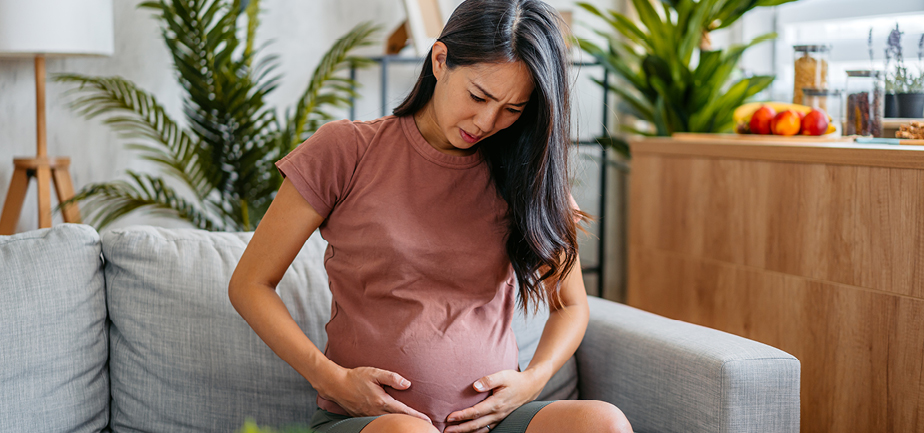
If you’ve found yourself wondering whether every little twinge you’re having during pregnancy is normal or not, you aren’t alone. While pregnancy is an exciting time, expectant moms often feel at least a little anxious about the symptoms they’re experiencing, including pregnancy cramps.
As your body expands and reshapes to give your growing baby space, it’s entirely normal to experience many different symptoms, most of which aren’t cause for concern. Pregnancy cramps are one example.
Mild cramping is usually your body reacting to pregnancy-related changes, especially during early pregnancy. If pregnancy cramps are normal, though, how can you know when they might be a sign of something more serious?
The How & Why of Pregnancy Cramps
When you think about cramps, the cramps you have during your period might come to mind. Pregnancy cramps are a little different.
First Trimester Pregnancy Cramps (Weeks 0–13)
At the very beginning of pregnancy, some women experience mild cramping—similar to pregnancy cramps—when the egg implants, exiting the fallopian tube and attaching to the uterine lining.
As pregnancy takes hold and your uterus begins to grow, you might have aches and pains that feel a bit like pulling on the sides of your abdomen. That’s your abdomen stretching to make room for your baby.
The uterus continues to grow as your pregnancy progresses, and by week 36 it will outgrow your pelvis and end up just underneath your rib cage. As your uterus grows and the surrounding muscles and ligaments stretch, it makes sense you might have occasional abdominal pains.
Second Trimester Pregnancy Cramps (Weeks 14–27)
During the second trimester, it’s common to experience a different type of pregnancy cramping—what’s known as round ligament pain. There’s a round ligament on each side of the uterus, and this connective tissue helps support the uterus and connect it to the pelvis.
“The round ligaments grow and stretch during pregnancy as the uterus grows,” said Kirsten Indrelie, OB/GYN at Essentia Health. “As these ligaments stretch, women can experience cramping and pain, along with tugging sensations. Round ligament pain can be triggered by any number of movements during this stage of pregnancy, including simply standing up too quickly or coughing.”
Third Trimester Pregnancy Cramps (Weeks 28–40)
During the latter stages of pregnancy, you might also experience Braxton Hicks contractions, which mimic labor pains. These sporadic cramps are the result of your uterus contracting and relaxing, helping to prepare your body for when your baby is born.
What You Can Do to Ease Pregnancy Cramps
If you’re experiencing mild cramping, try moving around. Often, changing positions is enough to relieve pregnancy cramps.You might also find relief from many of the same techniques that help menstrual cramps, including –
- Applying a hot water bottle on the area of the discomfort
- Doing something that relaxes your mind and body
- Soaking in a warm (not hot) bath
- Staying hydrated
If you use a hot water bottle to relieve pregnancy cramping, take extra precautions. Do not apply it directly on your skin, and only use it for short periods of time.
When to Seek Medical Attention for Pregnancy Cramps
Pregnancy cramps are a common symptom during pregnancy, but they can sometimes be a sign of a more serious issue. Cramping can be a red flag for –
- Ectopic pregnancy
- Miscarriage
- Placental abruption
- Preeclampsia
- Preterm labor
- Urinary tract infection (UTI)
How do you know when to call your pregnancy provider or seek medical attention for cramping? Consider two factors: the severity of your cramps and whether you have any other symptoms.
“While many women experience stomach pain in pregnancy, it’s important to check in with your provider if your pain is severe or doesn’t go away after a short period of time,” Indrelie said. “You should also seek medical attention if you’re having cramping along with other symptoms, such as contractions, vaginal bleeding or vaginal discharge, digestive problems, increased urination, or pain in the shoulders or neck.”
Even if you aren’t having those symptoms, if your gut tells you something isn’t right, talk with your provider about what you’re feeling. When it comes to your health and your baby’s well-being, it’s always better to be safe and have yourself checked out.