Donate
 Contact Us

 Careers
 Pay a Bill
 Schedule
 MyChart
 Donate
 Contact Us
Varicose Vein Treatment: Your Guide to Relief
November 17, 2025 By: General Surgery Team
Medically reviewed by David Fedor, MD
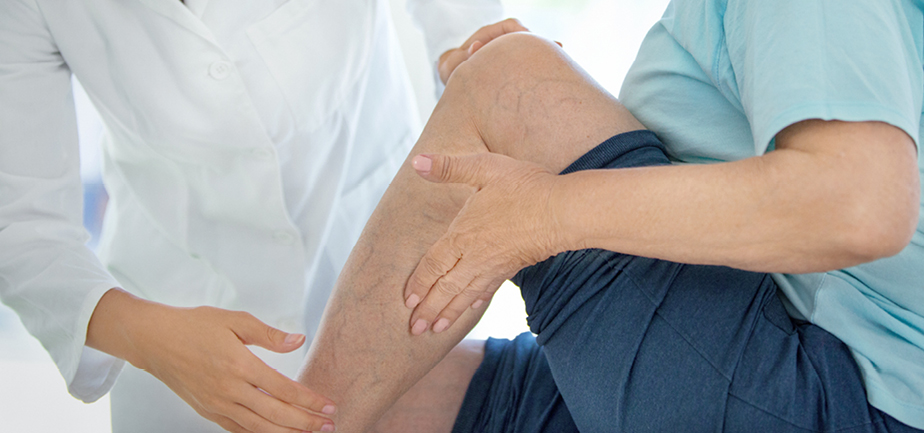
Red or blue varicose veins can be embarrassing. They can also cause pain, swelling, or itching and cause your legs to feel heavy or cramp at nighttime. Varicose vein treatment improves the appearance of your affected veins and reduces the risk of complications.
“Untreated varicose veins can lead to other health problems,” said Dr. David Fedor, general surgeon at Essentia Health. “Symptoms of varicose veins may worsen, and you may experience ulcers, bleeding, and other complications, such as blood clots and deep vein thrombosis.”
What Are Varicose Veins?
Every part of your body depends on oxygen-rich blood to function. Blood pumped out of the heart passes through arteries and then gets carried back to the heart through veins. Inside your veins, one-way valves open and close to allow blood to flow through. If these valves malfunction, blood can backwash and pool in certain areas. This results in swollen, twisted veins known as varicose veins.
Often, the veins swell so much that you can see them under the surface of the skin. These can occur in multiple places in the body, but they are most common in the leg veins. Anyone can experience symptoms of varicose veins, but the condition is more common in certain people.
According to the National Institutes of Health, risk factors for varicose veins include –
- Age. You’re more likely to have this common problem as you grow older.
- Genetics. Congenital vein problems can affect blood flow in the legs and other parts of the body.
- Lifestyle. Blood flow through your leg may drop if you spend long periods of time sitting or standing at work, home, or elsewhere.
- Medications. Taking female hormone replacement medications or birth control pills can weaken vein valves.
- Sex. Women experience hormonal changes from pregnancy, puberty, and menopause that may lead to varicose veins.
Additionally, being overweight and smoking cigarettes can damage your veins, increasing your risk of developing varicose veins.
Varicose Vein Diagnosis and Treatment
Detecting varicose veins often takes place at your provider’s office. Your provider will ask about your family and personal medical history and lifestyle and give you a physical exam. This often provides all the information needed to diagnose your condition.
In some cases, however, your provider relies on imaging and radiology services, such as ultrasound, to confirm a diagnosis. This advanced technology provides a clear look at blood flow in your veins.
Your provider then works to develop a treatment plan that fits your needs.
“There is a growing number of treatment options for varicose veins, and the best treatment depends on your specific case and goals,” Dr. Fedor said. “Getting proper care today helps prevent varicose veins from getting worse tomorrow.”
Can You Get Rid of Varicose Veins Without Surgery?
Lifestyle changes are often the first step in treating varicose veins. Often, living a healthy lifestyle is all you need to find relief.
Try some of these steps to move past varicose veins –
- Change your position. Avoid standing or sitting for long periods. If you don’t have a choice because of your work or health issues, move your legs around and shift positions regularly to help blood move. Raising your feet while sitting can also take some pressure off your leg veins.
- Exercise more. Regular exercise improves blood flow and reduces the risk of blood pooling and causing varicose veins. Just be careful, as lifting heavy weights can actually worsen varicose vein symptoms.
- Leave the high heels in the closet. High heels may be stylish, but they can reduce blood flow through your legs. Opt for flats whenever possible to help blood move more easily.
- Stop smoking. Smoking cigarettes damages all your body’s arteries and veins, including those in your legs. Tobacco cessation can help prevent all sorts of problems, including varicose veins.
- Watch your weight. Weight loss that helps you achieve a healthy weight leads to better blood flow and reduced pressure on your veins.
- Wear compression stockings. These provide pressure to your legs that helps improve circulation and reduce swelling.
Procedures Used to Treat Varicose Veins
When lifestyle changes don’t correct varicose veins, you experience pain, or your symptoms worsen, you may need more aggressive treatment.
Endovenous ablation is a simple nonsurgical treatment your provider can perform in the office. Ablation seals off the vein with laser or radiofrequency, and you return home soon afterward.
Other cases may require surgery. Surgical treatment options for varicose veins include –
- Ambulatory phlebectomy. A surgeon removes the troublesome veins through a few small incisions, leaving tiny scars. You may benefit from this procedure if you have more than one varicose vein. The Office on Women’s Health reports that recovery is normally quick, often allowing you to resume normal activities the next day.
- Sclerotherapy. Your provider injects a chemical or salt solution into the affected veins. Over time, the veins harden and go away. Sclerotherapy often helps treat small varicose veins known as spider veins, and recovery is usually quick.
- Vein stripping and litigation. This approach helps if you have severe varicose veins involving large, deep veins, and you’re not a candidate for less invasive treatment. During the procedure, a surgeon ties off and removes varicose veins. Though you return home the same day, recovery may take longer than other methods.
“I encourage everyone to pay attention to your body and contact your provider as soon as you notice symptoms of varicose veins,” Dr. Fedor said. “By doing this, you open the door to more minimally invasive treatment options that help restore a healthy look to your legs and prevent complications.”